The Nikon Zf is a full-frame mirrorless camera built for photographers who want Nikon’s modern imaging and autofocus performance in a retro-inspired body. It mixes a 24.5MP full-frame sensor with Nikon’s newer processing engine and a design that is deliberately different from the more conventional Z6III.
Quick Verdict
The Nikon Zf is one of the most appealing enthusiast cameras Nikon makes. It gives you very good full-frame image quality, excellent low-light appeal, strong autofocus for its class, and access to the Nikon Z system in a body that feels distinctive and enjoyable.
The tradeoff is obvious: this is a style-forward camera, and the ergonomics are not as universally practical as the Z6III. Buy the Zf if you want the Nikon Z system in its most characterful form. Skip it if you want the cleaner, more practical all-around tool that the Z6III represents.
Nikon Zf
A character-rich full-frame Nikon that blends retro styling with very capable modern internals.
Who is this for?
Enthusiast photographers, travel shooters, portrait shooters, and Nikon fans who value style and feel as much as output.
Worth getting?
Yes, if the design is part of the appeal and you still want strong Nikon Z performance.
Check Price on Amazon Check Price at Adorama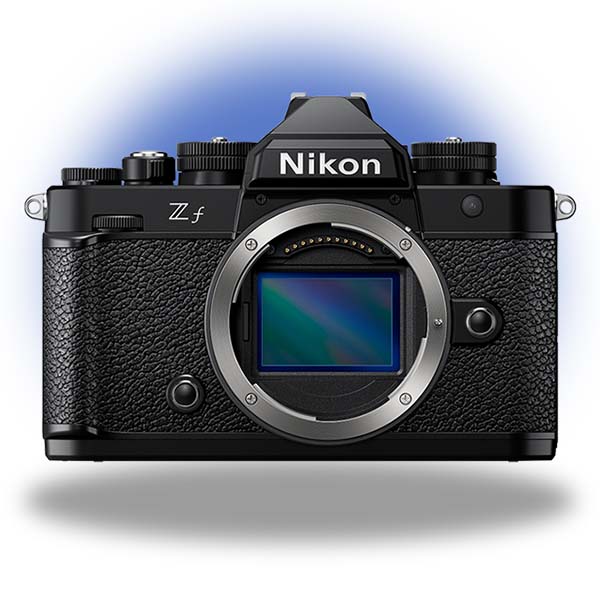
Who It Is For
The Nikon Zf is best for photographers who want a full-frame Nikon with personality, strong stills appeal, and modern internals.
Perfect for:
- enthusiast photographers
- travel photographers
- portrait photographers
- Nikon fans who want a more distinctive camera body
- photographers who value style and experience as well as output
Key Features
The Zf combines a 24.5MP full-frame sensor, EXPEED 7 processing, Nikon’s modern autofocus logic, strong low-light appeal, and a retro-inspired design that sets it apart from the rest of the lineup.
This is what makes it interesting. The Zf is not just a nostalgia camera. Nikon gave it enough real performance that it matters beyond looks.
Nikon Zf Tech Specifications
- Lens Mount: Nikon Z mount
- Megapixels: 24.5MP
- Sensor Size: Full-frame BSI CMOS
- ISO Range: ISO 100-64,000 standard
- Autofocus System: Subject detection autofocus with 3D tracking
- Continuous Shooting Speed: Up to 14 fps mechanical, up to 30 fps electronic
- Stabilization: In-body image stabilization
- Viewfinder: 3.69M-dot OLED EVF
- LCD: Vari-angle touchscreen
- Max Video Resolution: 4K up to 60p
- Memory Card Slots: 2
- Card Types: SD plus microSD
- Weight: Approx. 630g / 22.29 oz
Ergonomics And Handling
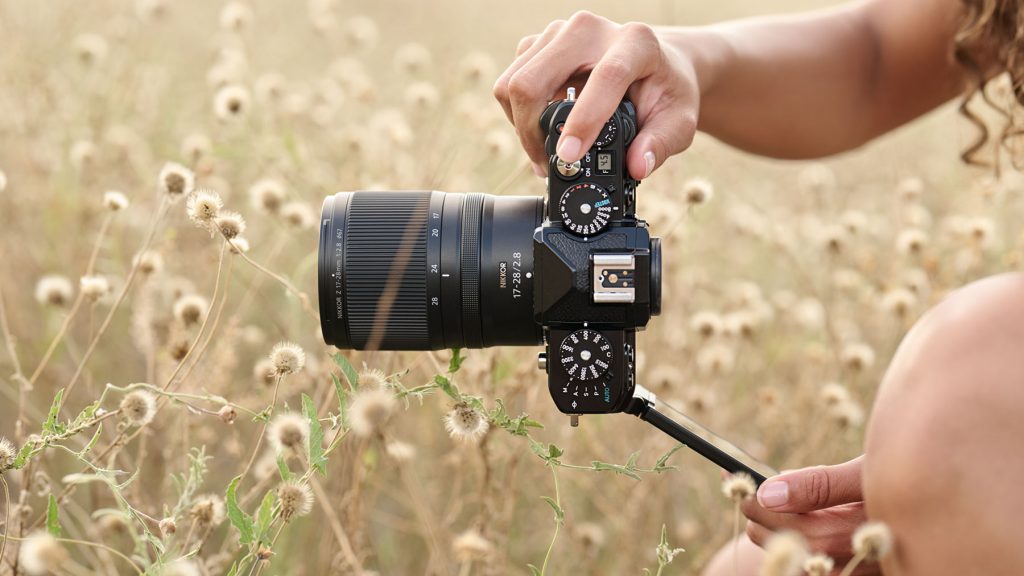
This is the section where the Zf becomes more complicated. I still think Nikon has the best ergonomics overall, but the Zf is not the best example of that. It is intentionally different.
The camera has character, and a lot of people will love that. But if you want the easiest Nikon body to use with bigger lenses for long periods, the Z6III is the smarter buy.
So I think the right way to describe the Zf is this: it is enjoyable, distinctive, and appealing, but not Nikon’s most universally practical body.
Build Quality
The Zf feels premium and well made. Nikon clearly treated it as more than a novelty product.
It has the kind of build quality you want from a camera designed to attract photographers who care about the physical object as much as the files it produces.
Image Quality
Image quality is very good. The 24.5MP full-frame sensor gives you the same general logic that makes cameras like the Z6II and Z6III so appealing: enough detail, strong low-light performance, and manageable files.
This is not a resolution-first camera. It is a balanced camera, and Nikon made the right choice there.
Dynamic Range
Dynamic range is strong enough for the class and gives you the kind of RAW flexibility most buyers will want. Photons to Photos measured the dynamic range to be 11.12 stops at the base ISO setting of 100. This is about what I would expect for this price range and caliber of camera.
Low-Light Performance
Low-light performance is one of the Zf’s biggest strengths. Nikon leans into this on the product page, and the camera’s combination of full-frame 24.5MP files and modern processing makes it naturally attractive here.
If you want a camera for portraits, available-light shooting, or general photography in dim environments…that also looks good…the Zf makes a lot of sense.
Screen And Viewfinder
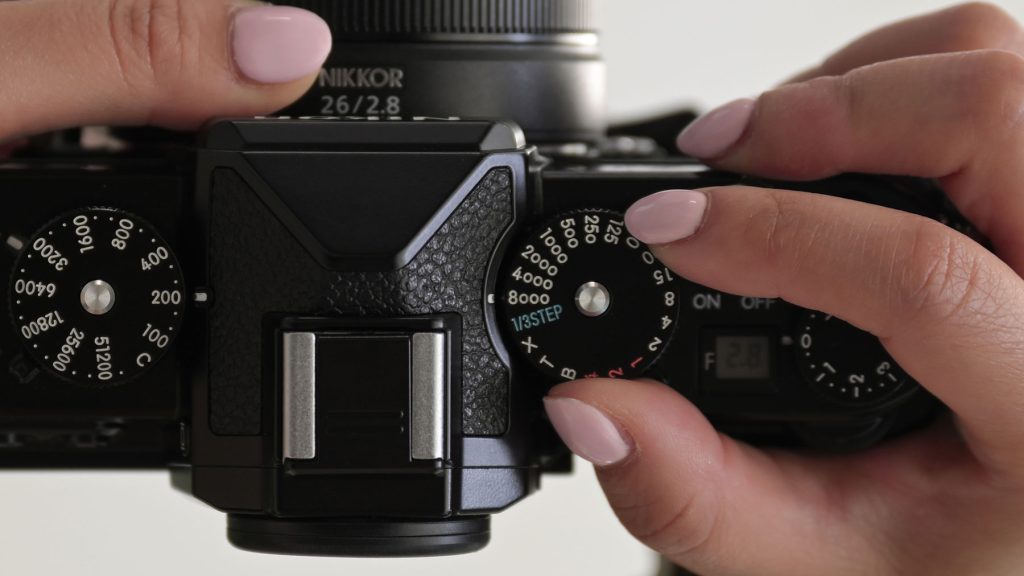
The Zf uses a 3.69M-dot EVF and a 3.2-inch vari-angle touchscreen with about 2.1 million dots. That is a more modern display package than the styling might make you expect.
This is one of the places where Nikon did a nice job of mixing retro identity with current usability. Compared with the Sony A7C II and Canon EOS R8, the Zf feels more substantial and more deliberate to use, even if the compact rivals are easier to carry around.
Lens Mount And Compatibility
The Zf uses the Nikon Z mount, and that remains one of Nikon’s biggest system advantages. I still think Nikon’s Z mount is the best mount in the industry, and that matters because it shapes the quality and design of the lenses around the camera.
The Zf also benefits from FTZ support for F-mount lenses, which can be appealing for long-time Nikon users, especially those buying the Zf for aestehtics who want to use classic Nikkor lenses on a modern body.
Autofocus Performance
The Zf’s autofocus is much more serious than the styling might lead some people to expect. Nikon gave it real subject detection capability, and that matters.
I would still choose the Z6III for the cleanest all-around utility, but the Zf is not just a pretty camera with average autofocus. It is genuinely capable.
Video Features
The Zf is reasonably capable for hybrid use, but I still see it as a stills-first enthusiast camera rather than a camera you buy primarily for video.
It can do the job. It is just not the strongest reason to buy it.

Battery Life
Battery life is fine for the class. Nikon rates it at about 410 shots with the EVF or 430 with the LCD when power saving is on, and about 360 and 380 shots respectively when it is off. Nikon also rates video recording at about 125 minutes.
That is good enough for most enthusiast use, but it is not the strongest battery story in the category. The Sony A7C II is the more battery-efficient style-first competitor if endurance is your main concern.
Connectivity
Connectivity is modern enough and does what it needs to do. No major concern here.
Pros And Cons
Pros
- Distinctive and appealing design
- Strong full-frame image quality
- Good low-light performance
- More capable autofocus than many style-first cameras
- Access to Nikon’s excellent Z system
Cons
- Not as practical or ergonomic as the Z6III
- Retro design will not suit everyone
- Better as an enthusiast camera than a pure workhorse
- Dual-card setup is less elegant than Nikon’s more conventional bodies
Rating Breakdown
- Image Quality: 8.7/10
- Autofocus: 8.3/10
- Ergonomics And Handling: 7.8/10
- Build Quality: 8.7/10
- Video Features: 7.9/10
- Lens Ecosystem: 9.2/10
- Value: 8.2/10
- Overall Appeal: 8.4/10
Final Rating: 8.5/10
Value And Competition
The Zf competes less as a pure spec-sheet camera and more as an enthusiast camera with strong internals. That makes it different from the Z6III.
If you want the most practical Nikon all-around body, buy the Z6III. If you want the Nikon body with the most charm and personality without giving up too much real capability, buy the Zf. That is the cleanest reason to choose it.
Against the Sony A7C II and Canon EOS R8, the Zf feels like the more characterful and more Nikon-like option. Sony and Canon are both easier to reduce to a compact full-frame value story, but the Zf gives you a more memorable shooting experience, a better sense of identity, and a stronger argument if handling and enjoyment matter to you as much as portability.
That is really the decision.
Final Verdict
The Nikon Zf is one of Nikon’s most likable cameras. It has real character, and it is backed by enough actual performance that it is more than just a design exercise.
I would not call it Nikon’s best-balanced all-around buy. That is still the Z6III. But I would absolutely call it one of Nikon’s most appealing enthusiast cameras, and for the right buyer that distinction matters more than a pure spec-sheet win.

Why Trust Me?
My name is Pete and I’m professional photographer and the person behind Photography Goals. I spend a lot of time comparing and researching cameras, lenses, and other gear, and my goal is to give practical recommendations based on real-world use, value, and what makes sense for your needs, not just show you spec sheets.
Related Articles
- Nikon Z6III Review (coming soon)
- Nikon Z6II Review (coming soon)
- Best Nikon Camera For Portraits (coming soon)
